

M.Tech Virtual Proto Typing and Digital Manufacturing - Overview
With the advent of Industry 4.0, manufacturing systems are expected to become up to 30% faster and 25% more efficient, driving mass customization to new heights. To thrive in this evolving landscape, engineers must develop expertise in areas such as logistics and supply chain optimization, autonomous systems, additive manufacturing, and industrial IoT, enabling them to lead digital transformation across industries.
M.Tech. in Virtual Proto Typing and Digital Manufacturing is a four-semester Experiential learning programme designed specifically for engineering professionals to work in sectors such as automotive, manufacturing, production, research and development, and maintenance. The programme equips students with advanced skills and knowledge in emerging domains like additive manufacturing (3D printing),Virtual manufacturing ,Digital Twin in manufacturing, high-precision manufacturing, flexible manufacturing systems, robotics and mechanisms, and industrial IoT.
Virtual prototyping creates detailed digital models to simulate and test a product's design, performance, and manufacturing processes before physical production, reducing costs and development time.
Digital manufacturing then leverages these virtual models, along with data from sensors and the Internet of Things (IoT), to create intelligent, connected, and highly efficient automated production systems, ultimately accelerating time-to-market and improving product quality.
Programme Objectives:
The programme is tailored for engineering graduates with a BE/B.Tech. Or equivalent qualification in fields such as Mechanical, Industrial, Automobile, Aeronautical, and Mechatronics. It is particularly beneficial for professionals aiming to build careers in manufacturing sectors including automotive, heavy engineering, equipment manufacturing, and precision engineering.
- M.Tech. in Virtual Proto Typing and Digital Manufacturing – Preparing Engineers in Manufacturing Industries for the Fourth Industrial Revolution.
- The programme is centered on four core themes: Design, Precision Manufacturing, Digital Technologies, and Manufacturing Systems. These domains equip participants with the ability to design, implement, and manage digitally-enabled manufacturing operations.
Highlights of the Programme:
The programme is tailored for engineering graduates with a BE/B.Tech. or equivalent qualification in fields such as Mechanical, Industrial, Automobile, Aeronautical, and Mechatronics. It is particularly beneficial for professionals aiming to build careers in manufacturing sectors including automotive, heavy engineering, equipment manufacturing, and precision engineering.
- M.Tech. in Virtual Proto Typing and Digital Manufacturing – A Specialized Programme for Engineering Professionals.
- The programme spans four semesters and is conducted in offline mode at the School of Mechanical Engineering, Manipal Institute of Technology, Manipal.
- The programme is structured to equip engineering professionals with the skills required for employment in industries such as automotive, heavy engineering, equipment manufacturing, and precision engineering.
- The programme places strong emphasis on additive manufacturing, digital manufacturing, and the application of artificial intelligence in manufacturing.
- Learners gain hands-on experience through virtual simulations and remote labs, supported by tools such as DFMA, MATLAB, VCNC, and IoT-based labs.
- An annual conclave offers opportunities to network, share insights, and learn from leading industry professionals and academicians.
- Semesters 1 and 2 focus on coursework, while Semesters 3 and 4 are dedicated to dissertation/project work, allowing participants to apply the knowledge and techniques acquired.
- The dissertation in the final semester enables learners to demonstrate practical application of programme concepts to real-world problems.
- A continuous evaluation system ensures regular assessment, timely feedback, and helps engineering professionals remain on track throughout the programme.
- The teaching approach combines classroom instruction with experiential learning, including lab exercises, assignments, case studies, and work-integrated projects.
- On successful completion, participants join the prestigious MIT Alumni community, gaining access to a global network of professionals.
Student Learning Outcomes:
- Develop complex parts and assemblies using precision manufacturing techniques, including metal-based additive manufacturing.
- Leverage Industrial IoT to design, implement, and manage smart manufacturing systems.
- Assess potential risks and recommend effective cyber security measures for digital factories.
- Analyze challenges in adopting digital technologies and formulate strategies to transform them into growth opportunities.
Key Benefits of Virtual Proto Typing and Digital Manufacturing:
Virtual Proto Typing and Digital Manufacturing offers enhanced efficiency and productivity, cost reduction, improved product quality, and greater flexibility and customization. It also supports smarter supply chain management and decision-making through real-time data and automation. Additionally, it enables faster innovation, promotes sustainability, and increases customer satisfaction by providing personalized solutions and quicker responses to market demands.
Operational Benefits:
- Increased Efficiency & Productivity: Streamlined digital workflows and automation help remove bottlenecks, minimize manual effort, and boost overall output.
- Reduced Costs & Waste: Efficient use of resources, minimized errors and overproduction, and reduced downtime help lower operational expenses.
- Enhanced Product Quality: Real-time monitoring and data analysis help detect and prevent defects, ensuring consistent quality and adherence to standards.
Strategic Benefits:
- Greater Flexibility & Customization: Manufacturers can rapidly adjust to market changes, modify production volumes, and create personalized products with ease.
- Improved Decision-Making: Real-time data from sensors and systems offers valuable insights across the manufacturing process, supporting proactive and informed decisions.
- Enhanced Supply Chain Management: Greater visibility into inventory, deliveries, and demand cycles helps minimize risks and optimize the supply chain.
Innovation & Customer Benefits:
- Faster Innovation & Time-to-Market: 3D modeling and process simulation tools accelerate product design and development, reducing time to market.
- Greater Customer Satisfaction: Offering personalized products and responding quickly to customer needs enhances brand loyalty and overall satisfaction.
- Sustainability: Optimizing resource use and minimizing waste promotes environmentally friendly manufacturing processes.
M.Tech Virtual Proto Typing and Digital Manufacturing - Course Outlines
Click Here for Course Outline.
Key Dates & Deadlines
30
Apr 30 26
Apr ' 26
Last date to Apply
'
Tentative Course Commencement Date
Indian Students Apply
Manipal Academy of Higher Education not only caters to one’s academic needs, but also lays emphasis on all-round development of its students.
International Students Apply
Manipal Academy of Higher Education not only caters to one’s academic needs, but also lays emphasis on all-round development of its students.
Indian Students Apply
Manipal Academy of Higher Education not only caters to one’s academic needs, but also lays emphasis on all-round development of its students.
International Students Apply
Manipal Academy of Higher Education not only caters to one’s academic needs, but also lays emphasis on all-round development of its students.
M. Tech Avionics - Course Duration
2 years (4 semesters)


Facilities
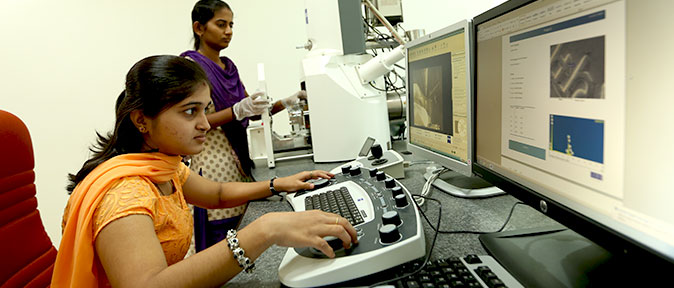
Laboratories
World-class laboratories give learning a practical dimension
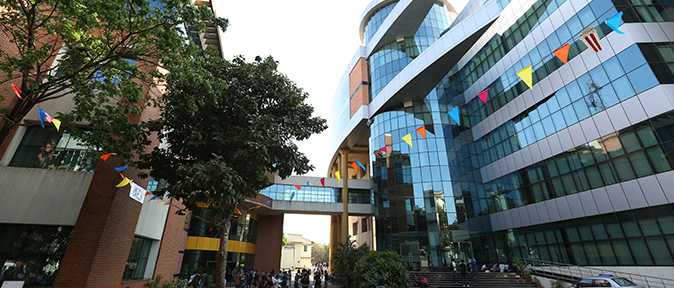
Innovation Centre
State-of-the-art Innovation Centre to facilitate multi-disciplinary research
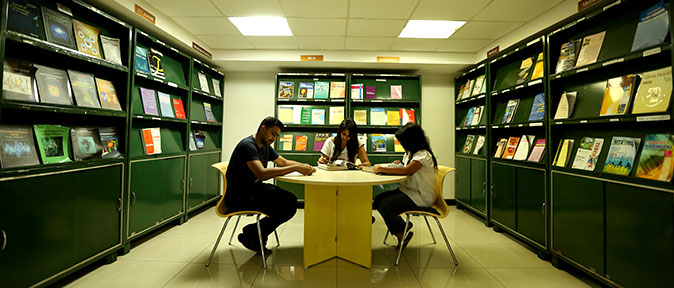
Libraries
Libraries have excellent resources for reference and study
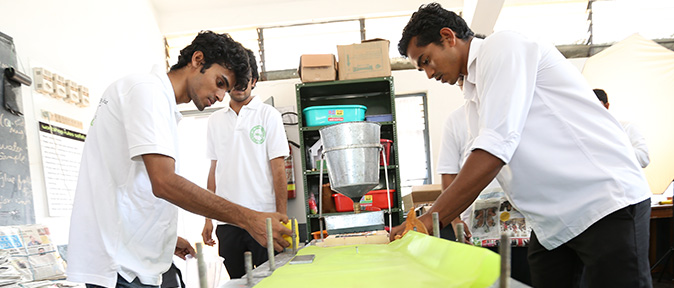
MUTBI
Paper tree - A green initiative by MIT students of MUTBI

Computing Facility
Wi-fi campus with modern computing and digital facilities
Next Steps
Get the perfect start to your dream career by joining the Institution of Eminence