Industry-Aligned Curriculum: Study EV powertrains, battery systems, charging infrastructure, embedded systems, and power electronics aligned with industry requirements.
Multidisciplinary Learning Approach: Gain knowledge across electrical engineering, embedded systems, communications, data science, and artificial intelligence applied to electric mobility.
Practice School Model: Complete industry internships and projects with EV manufacturers, startups, and research organisations during the program.
Advanced EV Laboratories: Work in specialised laboratories under the Centre of Excellence in E-Mobility with facilities for EV systems, battery testing, and charging technologies.
Strong Industry Connections: Recruiters such as Tata Motors, Mahindra & Mahindra, ABB, Schneider Electric, and Ather Energy recruit graduates from the program.
Research and Innovation Opportunities: Participate in EV research projects, academic publications, and technology development in energy storage and smart mobility.

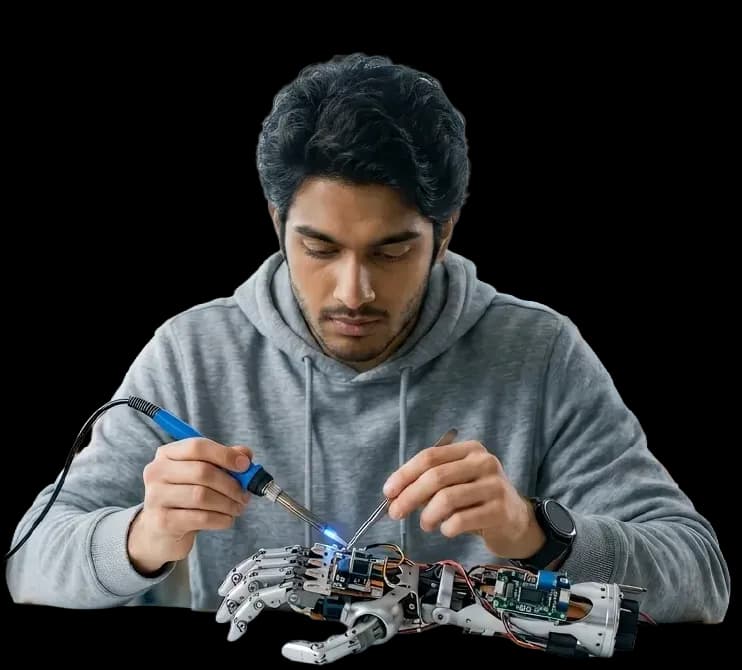
Lab Work
Specialised EV laboratories equipped with tools and platforms for power electronics, battery management systems, motor drives, and charging systems.
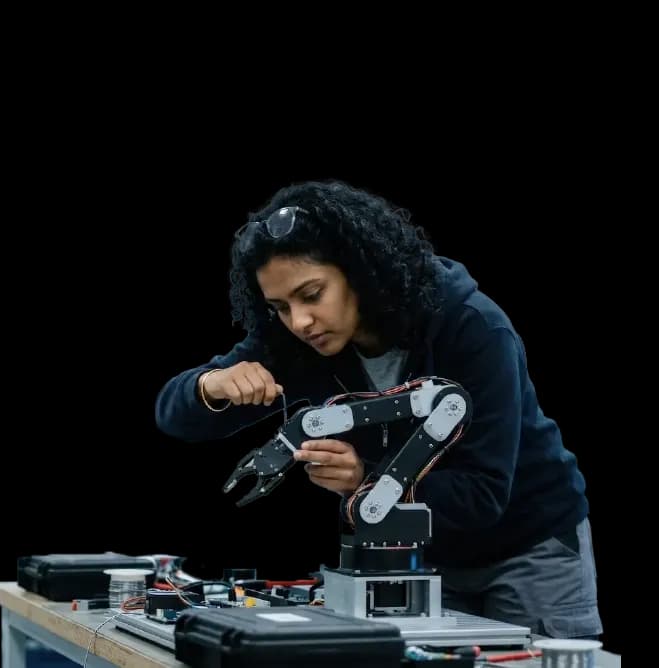
Lab Work
Specialised EV laboratories equipped with tools and platforms for power electronics, battery management systems, motor drives, and charging systems.
Program Details
Master electric vehicle systems, including powertrains, battery management systems, motor drives, and charging infrastructure.
Develop technical skills in simulation tools such as MATLAB and Simulink for EV system modelling and performance analysis.
Strengthen your ability to design, evaluate, and improve EV components using engineering principles.
Build competence in embedded systems, power electronics, and control systems used in electric mobility.
Demonstrate professional communication and technical presentation skills for engineering and research environments.
Become prepared for advanced research, industry roles, and continued academic growth in electric mobility and energy systems.


Our meaningful collaborations with industry leaders and global universities enhance your career opportunities and higher education pathways.
Placements


Admissions Path
Merit List
Merit list based on MET score or PGCUET score.
Admission Criteria
Provisional Admission is offered to shortlisted candidates based on merit and vacancy.
Program Eligibility
You must successfully complete BE/BTech in the relevant branch from a recognized university with a minimum of 50% aggregate marks.
You must either appear for the Manipal Entrance Test (MET)/ PGCUET 2026 and get the required cut off.
*PGCUET scores will be considered only for:
Curriculum and Fees
Focus on core subjects such as Advanced Robotics, Control Systems, Programmable Logic Controllers (PLC), Embedded Systems, Industrial Internet of Things (IIoT), Artificial Intelligence, Machine Vision, Electric Drives, and Automation Technologies. You also complete laboratory courses, mini-projects, and research methodology to build strong technical and analytical capability.
Program Duration
Total Program Fee
General:
Total Program Fee
NRI/Foreign:
Scholarships
Manipal Academy of Higher Education (MAHE) Manipal awards scholarship for its Under Graduate (UG) and Post Graduate (PG) students under the following categories


Related Courses
FAQs