Program Details
Gain command over mechanical systems, electronics, sensors, actuators, and control techniques used in integrated engineering applications.
Apply mathematics, science, and engineering principles to study and solve multi-domain engineering problems.
Design, model, and test intelligent systems using controllers, software tools, and simulation platforms.
Work effectively in multidisciplinary teams while communicating technical ideas through reports and presentations.
Build readiness for research work, industrial roles, or advanced study in related engineering areas.
Interdisciplinary Engineering Structure: You study mechanical systems, electronics, electrical engineering, control theory, and programming within one integrated curriculum, reflecting how modern engineering systems function in practice.
Automation and Robotics Orientation: The program places strong academic attention on automated systems, industrial robots, controllers, and smart machines used across manufacturing and technology sectors.
Minor Specialisation Options: You may choose minors in Electric Vehicle Technology, Industrial IoT Systems, Robotics and Automation, Micro and Nano Systems, or Precision Agriculture to align your degree with specific technical interests.
Industry-Linked Learning Spaces: Department laboratories are established with industry collaboration, helping you work with tools and systems used in professional environments.
Global Academic Pathways: You gain access to international study options such as the MIT–Deakin dual degree pathway, leading to two recognised undergraduate degrees.

Lab Work
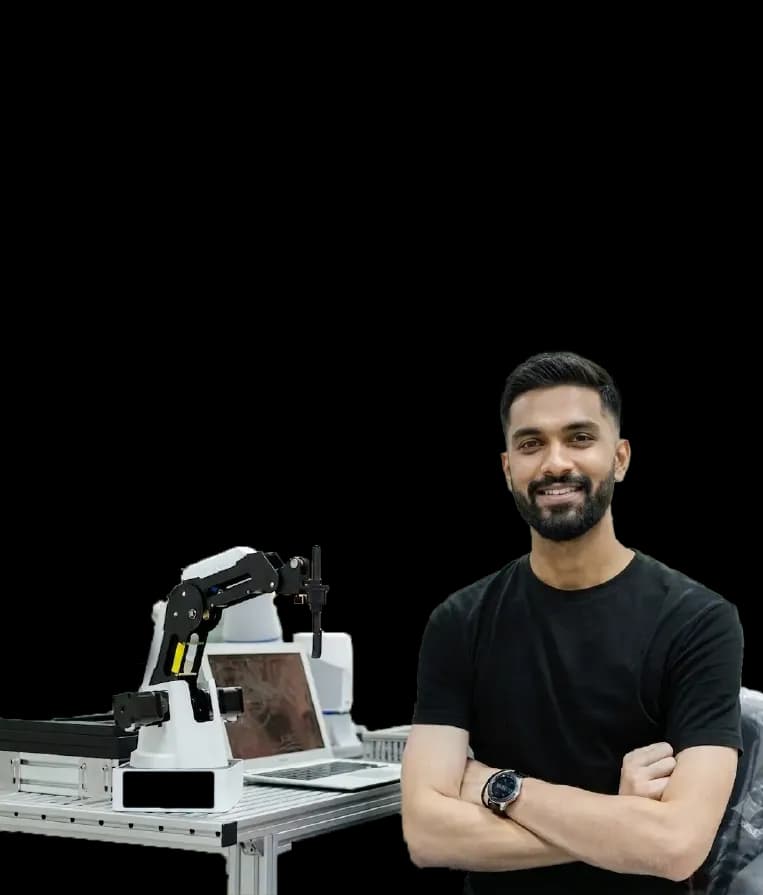
Access advanced laboratories established with facilities include industrial robots, collaborative robots, vision-based systems, power electronics setups, microcontroller platforms, and rapid prototyping tools.
Lab Work
Access advanced laboratories established with facilities include industrial robots, collaborative robots, vision-based systems, power electronics setups, microcontroller platforms, and rapid prototyping tools.


Our meaningful collaborations with industry leaders and global universities enhance your career opportunities and higher education pathways.
Placements


Admissions Path
MET
Merit List weightage given to:
JEE Mains
Program Eligibility
You must have successfully completed 10+2 or equivalent from a recognized board with Physics, Mathematics, along with Chemistry, Biotechnology, Biology, or any Technical Vocational subject with a minimum aggregate of 50% marks and English as a compulsory subject.
You must have successfully completed A Levels with Physics, Mathematics, and Chemistry, Biotechnology, Biology, Computer Science, or any Technical Vocational subject with a minimum Grade D average at the A Level, English at the AS Level, or have a minimum of five passes in IGCSE, GCSE, or GCE O Level examinations, including English.
You must have successfully completed the IB Diploma or IB Certificate with English, Physics, Mathematics, and Chemistry, Biotechnology, Biology, Computer Science, or any Technical Vocational subject (preferably Mathematics and Physics at Higher Level). You must also have:
You must appear for MET 2027 and secure the required cutoff.
If you are applying through JEE Main CRL Rank, you must have:
Curriculum and Fees
You build a foundation in mathematics, physics, chemistry, and basic engineering, while developing programming and problem-solving skills. Labs and workshops in electronics, mechanical systems, and graphics support practical understanding, and courses in communication, ethics, and environmental studies broaden awareness.
Program Duration
Total Program Fee
General:
Total Program Fee
NRI/Foreign:
Scholarships
Manipal Academy of Higher Education (MAHE) Manipal awards scholarship for its Under Graduate (UG) and Post Graduate (PG) students under the following categories


Related Courses
FAQs