Bachelor of Optometry – Lateral Entry at MCHP
 Manipal
Choose your focus and shape the future of vision care
The Bachelor of Optometry – Lateral Entry program in MCHP, Manipal provides eligible candidates with prior education in optometry or vision-care technology an advanced pathway to complete a professional undergraduate degree. Building on your existing academic and practical knowledge,the students can enroll in the 2nd-year UG program, and this helps them to develop the clinical competence required for primary eye care and specialised vision services.
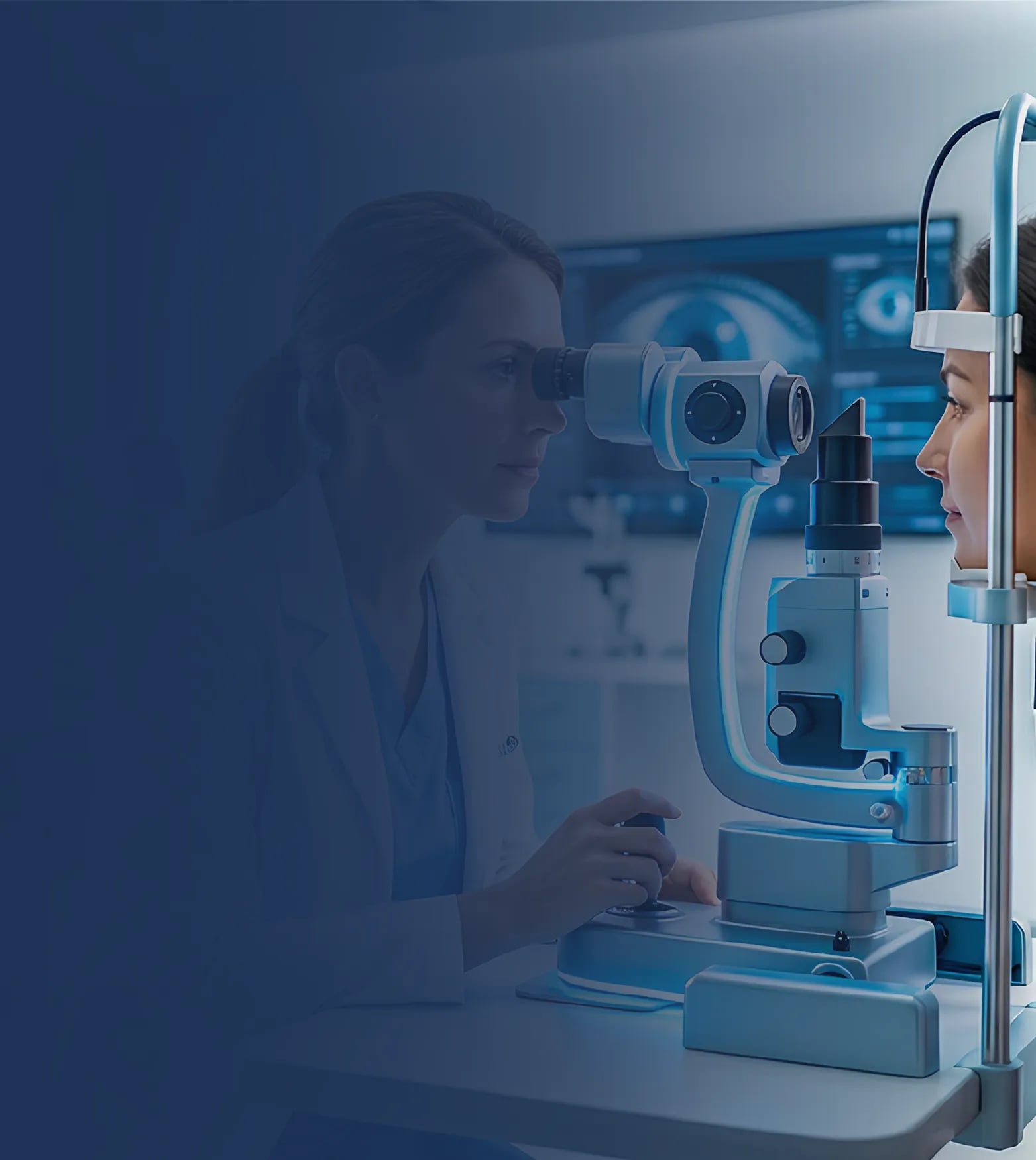
Through patient-centred education, hands-on clinical training, and evidence-based practice, you strengthen your skills in refraction, clinical optometry, vision therapy, ocular disease assessment, and advanced contact lens care. Interdisciplinary learning also prepares you to work independently and collaboratively with ophthalmologists and other healthcare professionals.
Through patient-centred education, hands-on clinical training, and evidence-based practice, you strengthen your skills in refraction, clinical optometry, vision therapy, ocular disease assessment, and advanced contact lens care. Interdisciplinary learning also prepares you to work independently and collaboratively with ophthalmologists and other healthcare professionals.