Our museums support medical learning through rich academic exhibits across key healthcare disciplines.
Manipal Museum of
Anatomy and Pathology
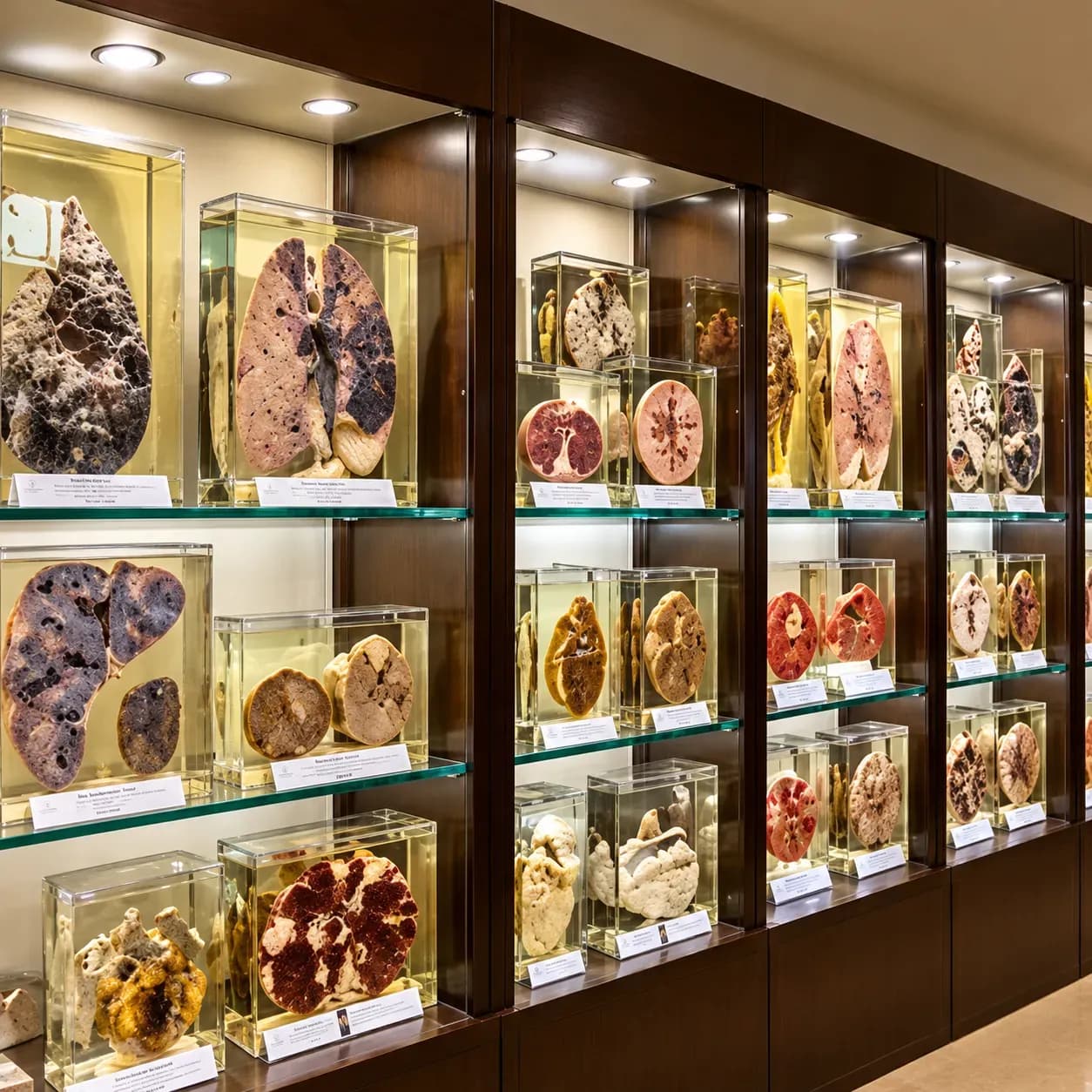
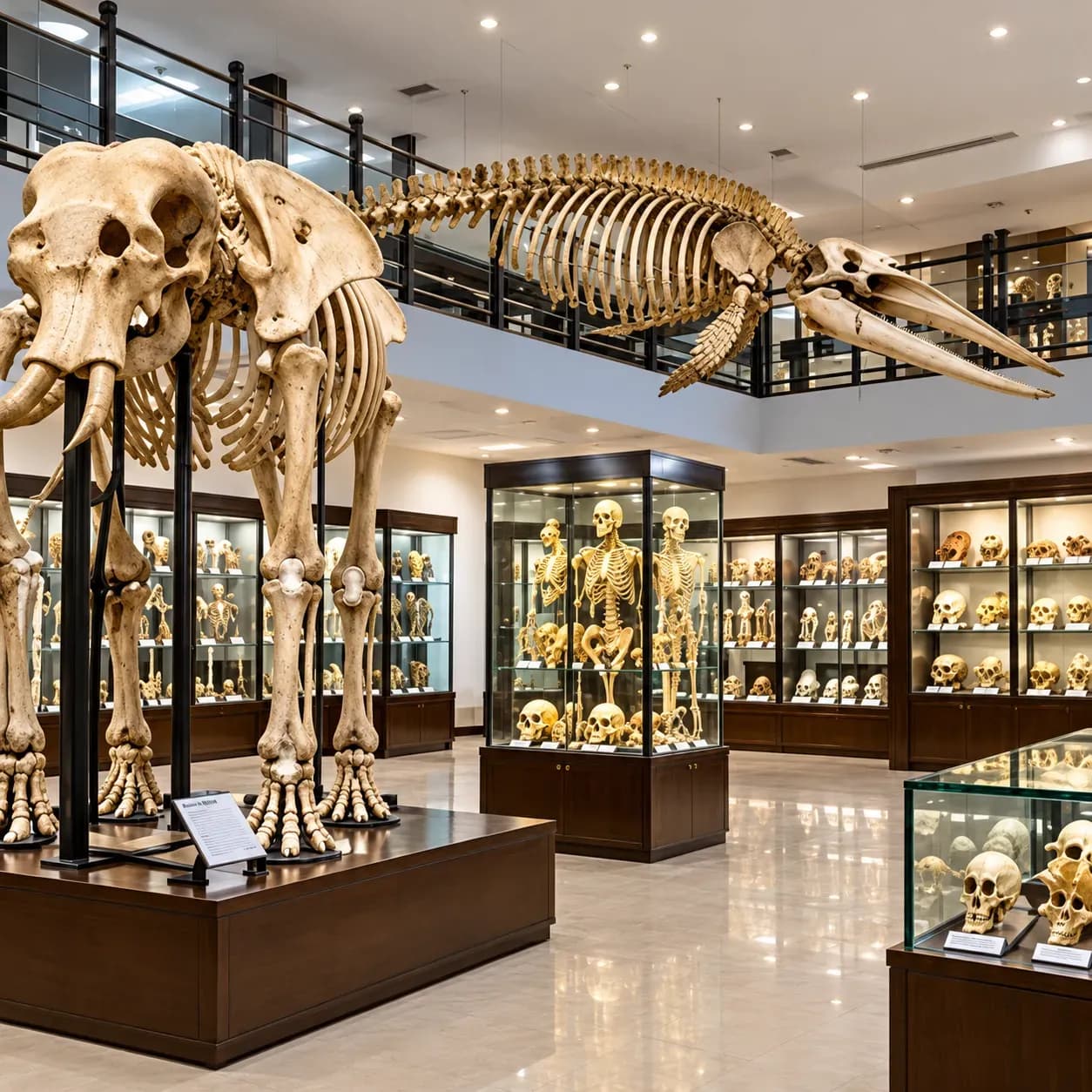
Popularly known as MAP, this is one of the largest museums of its kind in Asia. The museum houses over 3,000 anatomical and pathological specimens, including rare exhibits such as the skulls of an elephant and whale and the skeleton of a King Cobra. It was opened in 1954 by Dr SS Godbole, the first Anatomy Professor of KMC, whose preservation techniques are followed even today.
Anatomy
Section
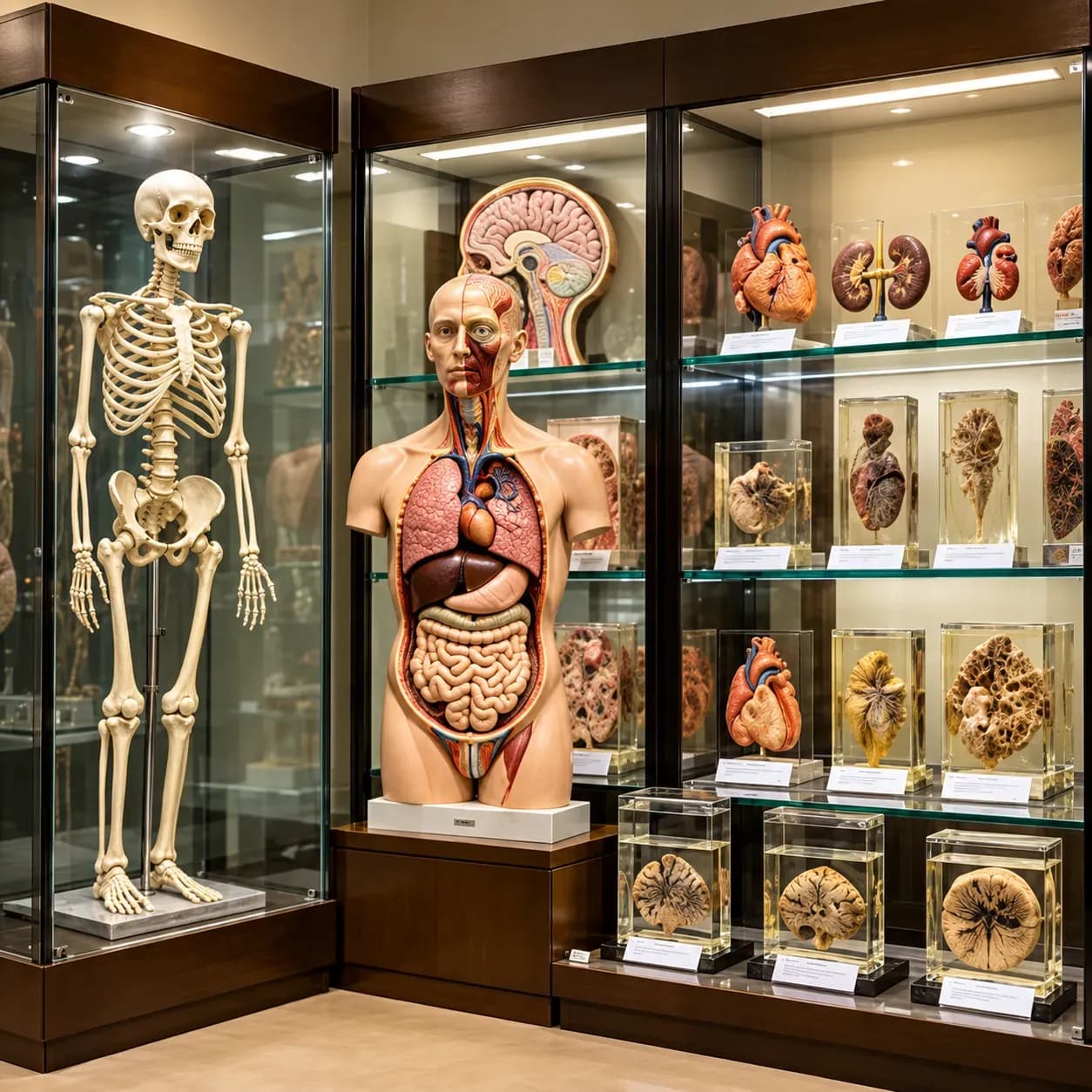
The Anatomy section displays well-preserved specimens of normal human body parts and organs from head to toe. Each organ system is presented separately for easy understanding. The section also includes comparative anatomy exhibits with animal skeletons, bones, models, and charts.

Pathology
Section
The Pathology section displays diseased body parts and organs. It includes a popular section on lifestyle-related diseases and their impact on the human body. The museum has also been converted into a digital or virtual museum, available on the intranet.
The museum is open from 9:00 AM to 5:30 PM, with tickets issued until 5:00 PM. It remains open on all days from November to January, while from February to October it is closed on Tuesdays. The museum is also closed on public holidays including Independence Day, Ganesh Chaturthi, and Deepavali.

More
Museums

General Surgery Museum
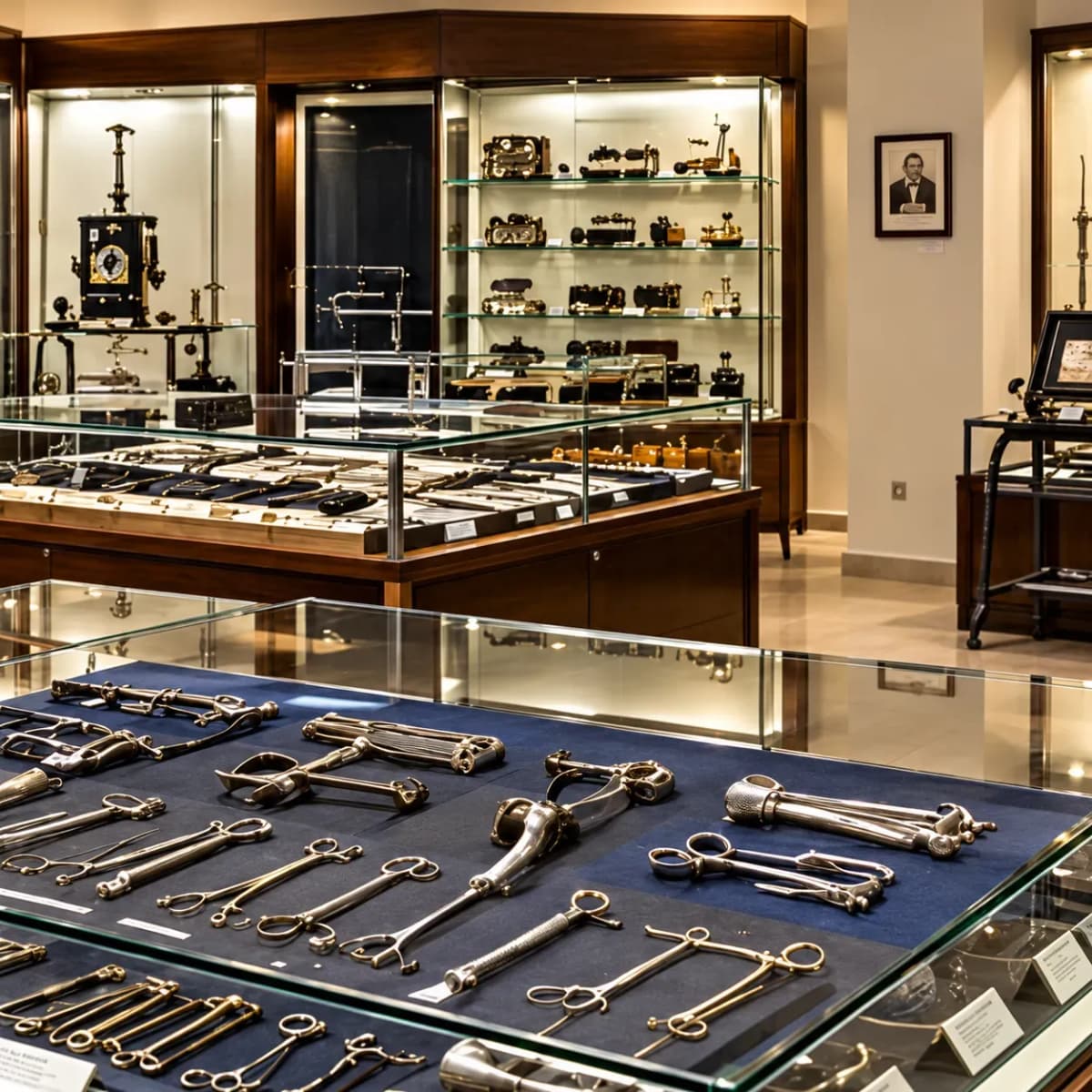
Houses historical surgical specimens, rare disease exhibits, devices, and instruments with detailed descriptions. It supports surgical education by connecting historical knowledge with current surgical practice and provides students and trainees with a holistic learning experience.

Museum of Forensic Medicine
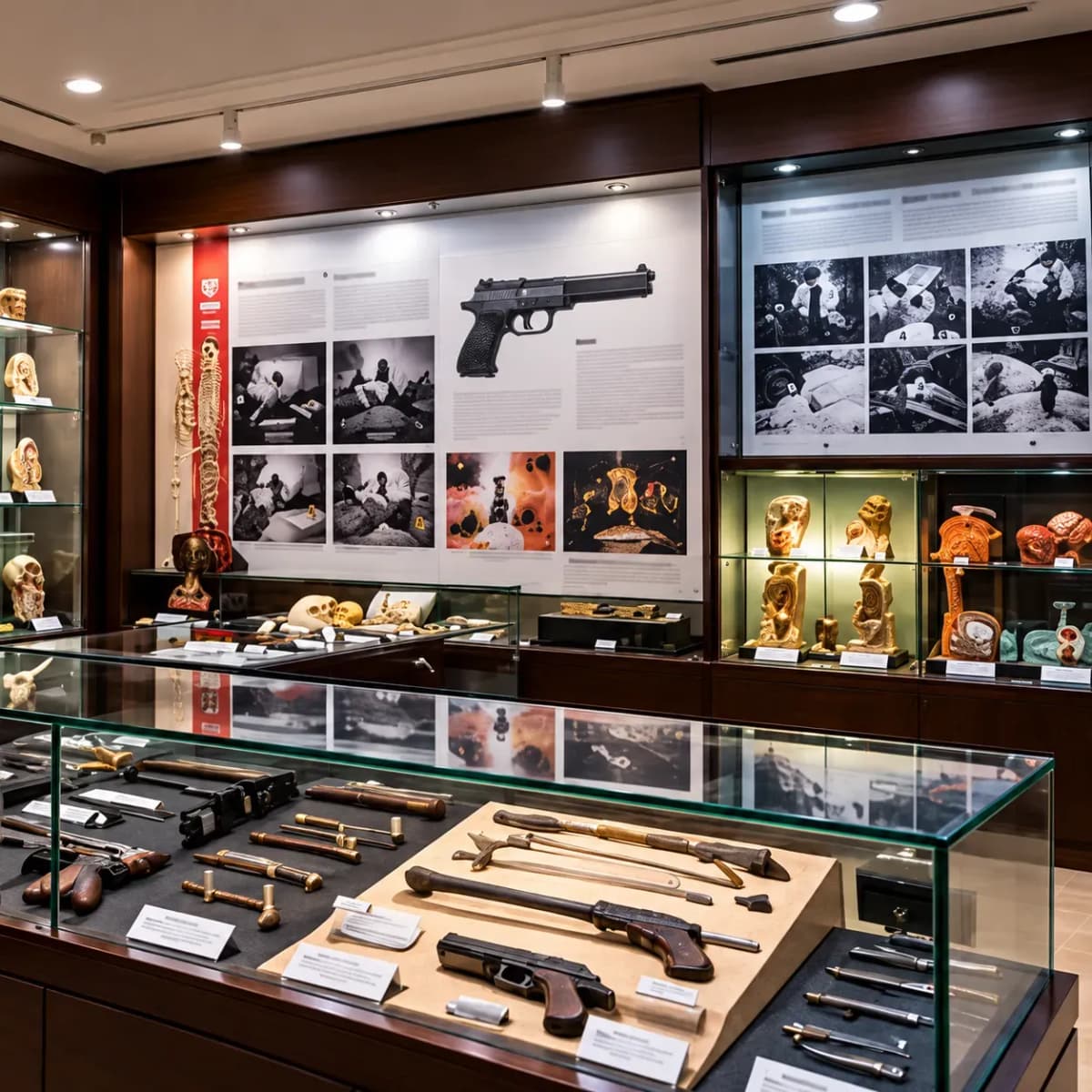
Covers 225 sq. m. and displays mounted specimens, flow charts, photographs, wax models, firearm prototypes, and toxicological specimens. It also highlights milestone forensic cases with descriptions and supports seating for 80 students.

Museum of Pharmacology
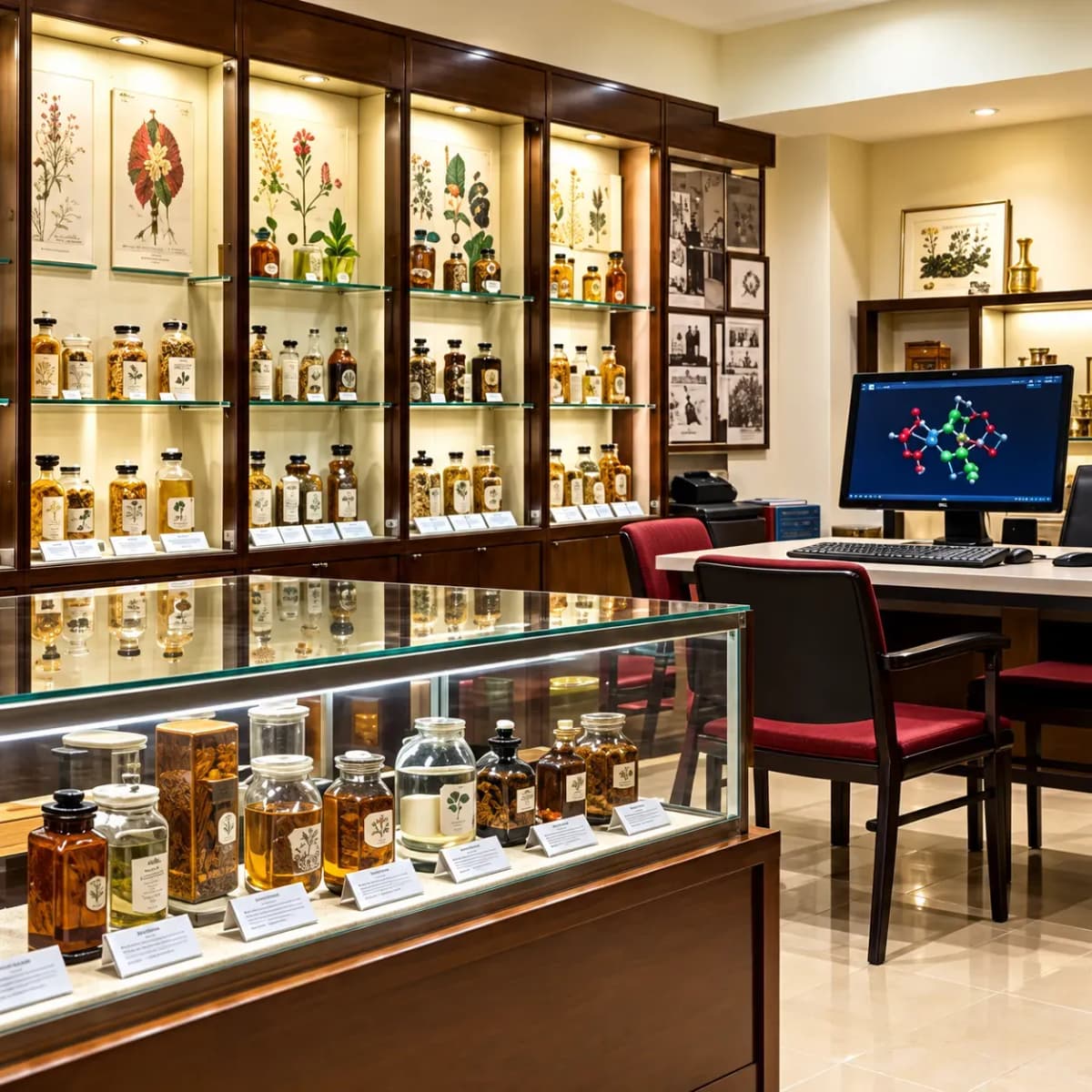
Displays specimens, charts, models, and a section on the history of medicine. It also includes a computer and seating area for students, supporting academic learning and reference.

Orthopaedic Museum
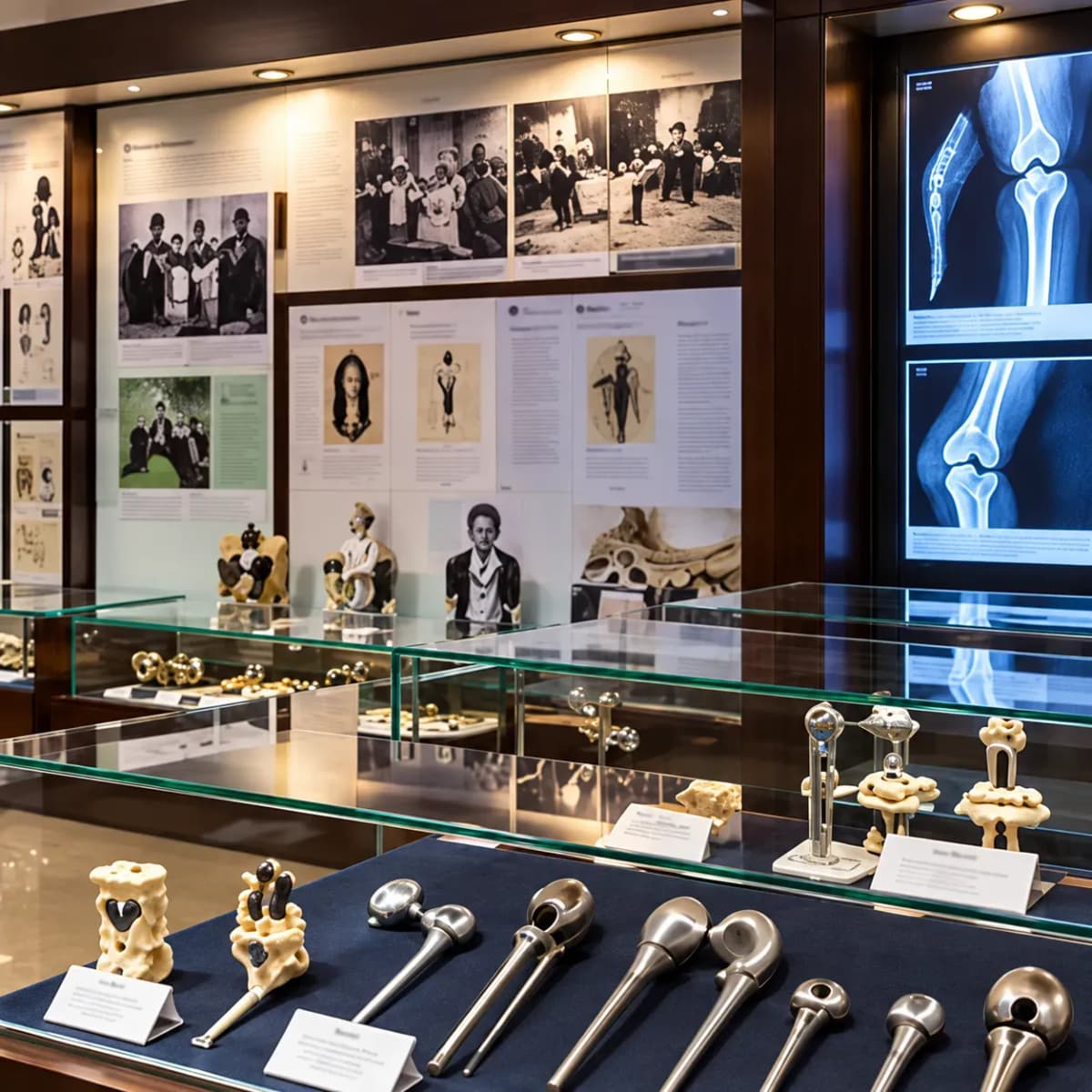
Showcases the history and evolution of the department through photographs, archives, scientific papers, and research articles. It also features posters highlighting the contributions of renowned orthopaedic surgeons from around the world.

Community Medicine Museum
Covers health concepts, epidemiology, communicable and non-communicable diseases, maternal and child health, health legislation, local disease specimens, slides, and photographs of eminent public health scientists.